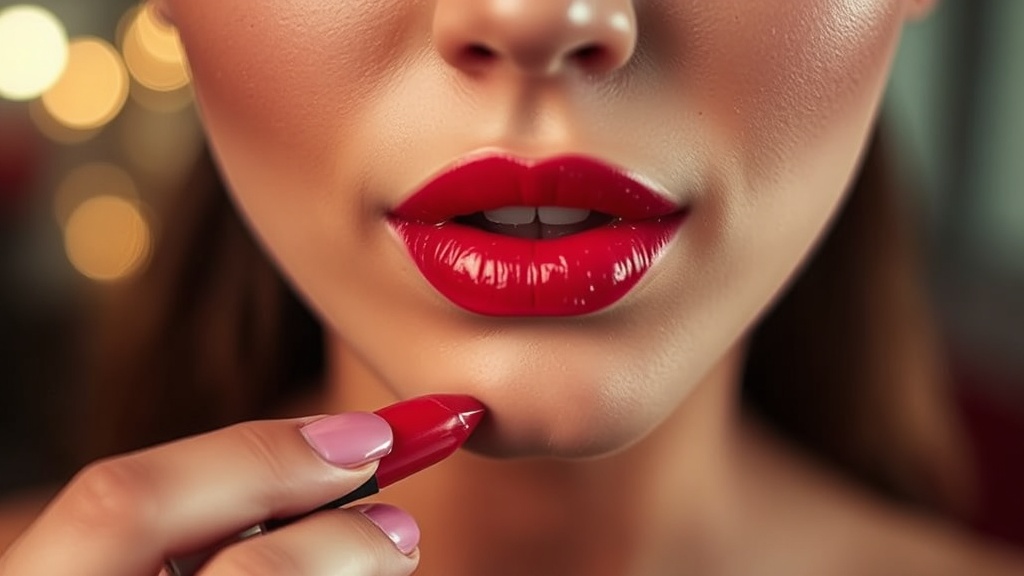
Why Does Your Lipstick Bleed—and What's the Real Fix?

Why Does Your Lipstick Bleed—and What's the Real Fix?
Have you ever caught your reflection mid-conversation and noticed your carefully applied lipstick has migrated beyond your lip line like it was planning an escape? It's one of those beauty frustrations that can make you feel like you've lost control of your own face. Bleeding lipstick isn't just annoying—it's a telltale sign that something in your routine needs adjusting. Whether you're dealing with fine lines around your mouth, using the wrong formula, or skipping a crucial prep step, there are concrete reasons this happens and (thankfully) straightforward solutions that actually work.
The truth is, most of us were taught to swipe on a lip product and hope for the best. But lips—like the rest of your skin—need preparation, the right tools, and techniques tailored to their unique texture. In this guide, we're breaking down exactly why lipstick bleeds, how to prep your lips like a pro, and the application methods that keep color locked in place from your morning coffee to your evening wind-down.
What's Actually Causing Your Lipstick to Feather?
Lipstick bleeding—sometimes called "feathering"—happens when product seeps into the fine lines and creases around your mouth. It's more common as we age (those lines deepen over time), but it can strike at any age depending on your skin type and the products you're using.
First, let's talk dehydration. Your lips don't have oil glands, which means they're prone to dryness. When they're parched, they develop tiny cracks and flakes. Creamy or glossy lipsticks slide into those cracks and spread outward—especially if you're talking, eating, or drinking throughout the day. Matte formulas can be equally problematic if your lips are dry; they settle into lines and accentuate texture you didn't even know was there.
The formula matters, too. Traditional bullet lipsticks with high oil content tend to move around more than long-wear liquid formulas. Glosses and balms—while comfortable—are practically designed to migrate. And here's something most people don't consider: your foundation and powder routine. If you're applying face products over your lips (or right up to the edge without blending properly), you're creating a slippery surface that gives lipstick nothing to grip.
Finally, there's the application technique itself. Swiping directly from the bullet without a brush or liner gives you less control over where the product lands. Those imprecise edges? They're the first places bleeding begins. For a deeper dive into how different lipstick formulas behave, Byrdie has an excellent breakdown of lipstick types and their staying power.
How Should You Prep Lips Before Applying Color?
Preparation is where most people cut corners—and where you can gain the biggest advantage against bleeding. Think of it like priming a wall before painting; the smoother the surface, the better the final result.
Start with gentle exfoliation. You don't need anything fancy—a soft toothbrush or a DIY scrub of honey and sugar works perfectly. Massage in circular motions for about 30 seconds, then rinse. This removes dead skin cells that trap product and create uneven texture. Don't overdo it, though—two or three times a week is plenty. Aggressive scrubbing can damage the delicate lip barrier and make bleeding worse.
Next comes hydration—but with a caveat. Apply a thin layer of lip balm and let it sink in for at least five minutes. Then (and this is the step everyone skips), blot off the excess with a tissue. You want your lips moisturized but not slippery. Many makeup artists swear by using a hyaluronic acid serum instead of heavy balms; it hydrates without leaving residue.
Here's a pro trick: after your lip prep, apply a tiny amount of your regular eye cream around your lip line—not on your lips, but on the skin just above and below. The skin around your mouth is similar to your under-eye area—thin and prone to lines. A lightweight eye cream plumps those fine lines temporarily, creating a smoother barrier that resists product migration. Just be sure to let it absorb fully before moving on.
Do Lip Liners Really Make a Difference?
Yes—and not in the way you might think. Lip liner has evolved far beyond the harsh 90s outlines we all remember (and regret). Modern techniques use liner as a base layer, not just a border, and it's one of the most effective tools against bleeding.
The key is choosing the right texture. You want a liner that's slightly waxy or creamy—not too soft, not too hard. Pencil formulas tend to grip better than twist-up crayons. Select a shade that matches your natural lip color or your chosen lipstick shade exactly—no darker outlines unless you're deliberately going for contrast.
Here's the technique: outline your lips as usual, then fill in the entire lip area with the liner. Yes, the whole thing. This creates a matte, slightly tacky base that helps your lipstick adhere and prevents it from sliding into lines. Think of it as double-sided tape for your lip color.
Apply your lipstick directly over this base—either from the bullet or with a brush for precision. If you're using a liquid lipstick, work quickly; they dry fast and can get patchy if you overwork them. For traditional bullets, blot with a tissue after the first layer, then apply a second coat. This "sandwich method" (liner, lipstick, blot, lipstick) dramatically extends wear time and creates a barrier that resists transfer.
For product recommendations and detailed liner techniques, Sephora's beauty guide covers the best liners for different lip concerns, including options specifically designed to prevent feathering.
Which Lipstick Formulas Stay Put the Longest?
Not all lipsticks are created equal when it comes to longevity. If bleeding is a constant battle, your formula choice might be the single most important factor.
Liquid lipsticks with a matte finish are the gold standard for staying power. They dry down to a transfer-proof finish that literally locks onto your lips. The downside? They can be drying and unforgiving on texture. If you go this route, meticulous prep is non-negotiable—exfoliate, hydrate, and consider a thin layer of balm underneath (blotted off, of course).
Satin and cream formulas strike a middle ground. They're more comfortable than mattes but require more maintenance throughout the day. If you prefer these textures, embrace the "press and blot" method: apply, press lips together, blot with tissue, then apply again. This builds thin, adherent layers rather than one thick coat that wants to move.
Glosses and shiny finishes are the hardest to keep in place—their whole purpose is to reflect light and create dimension, which requires movement and moisture. If you love gloss but hate bleeding, try applying it only to the center of your lips (the "bow" of your upper lip and the center of your lower lip). This keeps the high-shine where it catches light without creating slippery edges where bleeding starts.
There's also a whole category of "feather-resistant" or "no-bleed" lipsticks formulated specifically for mature skin or anyone prone to feathering. These often contain ingredients that create a flexible film over the lips. Allure regularly tests and reviews the best anti-feathering lipsticks if you're looking for specific product guidance.
What About Setting Products and Touch-Up Tricks?
Once your lipstick is applied, there are additional steps that can seal the deal—literally.
Translucent powder is the classic makeup artist secret for locking in color. Here's how to do it without looking cakey: lay a single-ply tissue over your lips (separate it so you're using just one thin layer), then dust translucent powder over the tissue with a fluffy brush. The powder sifts through the tissue and sets your lipstick without altering the finish. It's surprisingly effective.
Setting sprays formulated for face makeup can also help, though they're less precise. Mist from about six inches away and let it dry naturally—don't press your lips together while it's setting.
For mid-day touch-ups, resist the urge to layer more lipstick over what's already there. You'll end up with buildup that bleeds even faster. Instead, remove what's left with a tissue or micellar water on a cotton pad, reapply a thin layer of lip balm if needed, then start fresh with liner and lipstick. It takes an extra minute but keeps your look crisp all day.
One final tip: if you notice bleeding happening in real-time (maybe during a dinner date or important meeting), don't panic-wipe. Instead, discreetly press a clean tissue or napkin along your lip line to absorb the migrated product. Follow with a dab of concealer on a finger or brush to clean up the edge. It's a quick fix that looks intentional rather than like you're fixing a mistake.
Bleeding lipstick doesn't have to be your reality. With the right prep, products, and techniques, you can wear any color you want—bold reds, deep berries, soft nudes—without worrying about where it'll end up by lunchtime. Your lips deserve better than hope-and-pray application. Give them the foundation they need, and they'll stay exactly where you put them.
Frequently Asked Questions
Can I use concealer instead of lip liner to stop bleeding?
Concealer around the lip line can create a barrier, but it's not as effective as lip liner for preventing feathering. Concealer is better for cleanup after application rather than prevention. If you want to use it as a base, set it with powder first, then apply liner on top.
Does lip primer actually work?
Quality lip primers do help—they create a smooth, grippy surface that extends lipstick wear. Look for silicone-based primers specifically designed for lips. However, proper exfoliation and liner often provide similar benefits at a lower cost.
Why does my lipstick only bleed on my upper lip?
The upper lip (especially the philtrum area) often has deeper lines and more movement from talking and facial expressions. Focus your liner and prep efforts there, and consider using a slightly drier formula on your upper lip if bleeding persists.